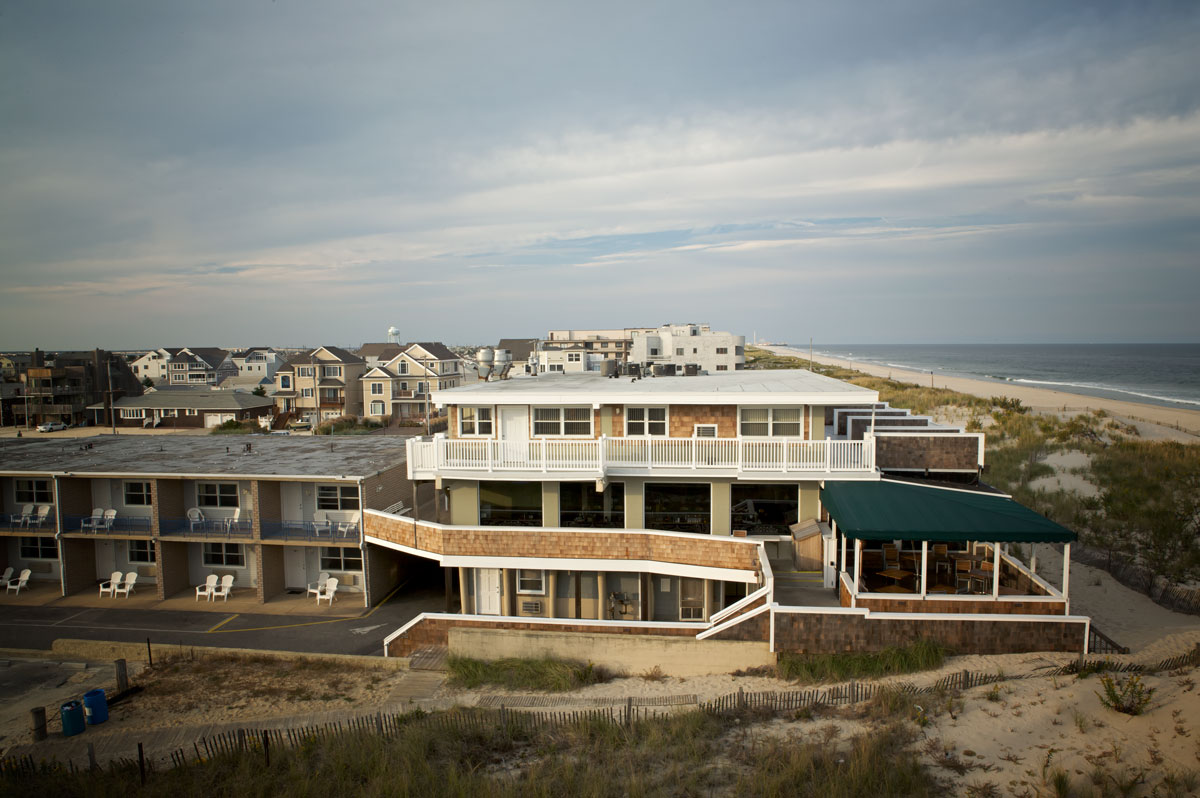
 Island Beach Motor Lodge, where Richard Ford stayed to soak up the local atmosphere. “A lot of things go on in great big hotels, behind closed doors,” he has said of growing up in a hotel. This motor lodge’s floor plan also lends itself to unexpected revelations and soliloquies. — South Seaside Park, New Jersey

Share With Your Friends
Richard Ford
A Journey Through Literary America
by Thomas R. Hummel and Photography by Tamra L. Dempsey
A Journey Through Literary America
by Thomas R. Hummel and Photography by Tamra L. Dempsey
A Journey Through Literary America
by Thomas R. Hummel and Photography by Tamra L. Dempsey

A Journey Through Literary America
$35.00
Description
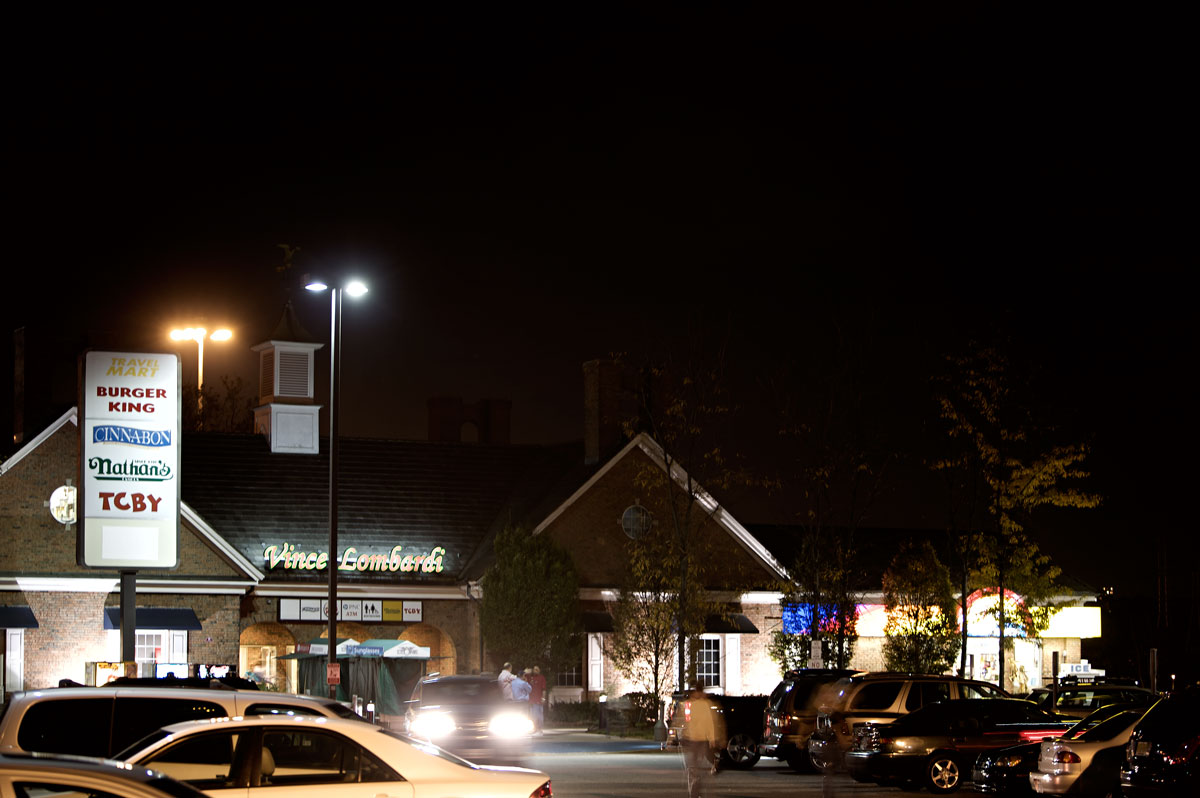
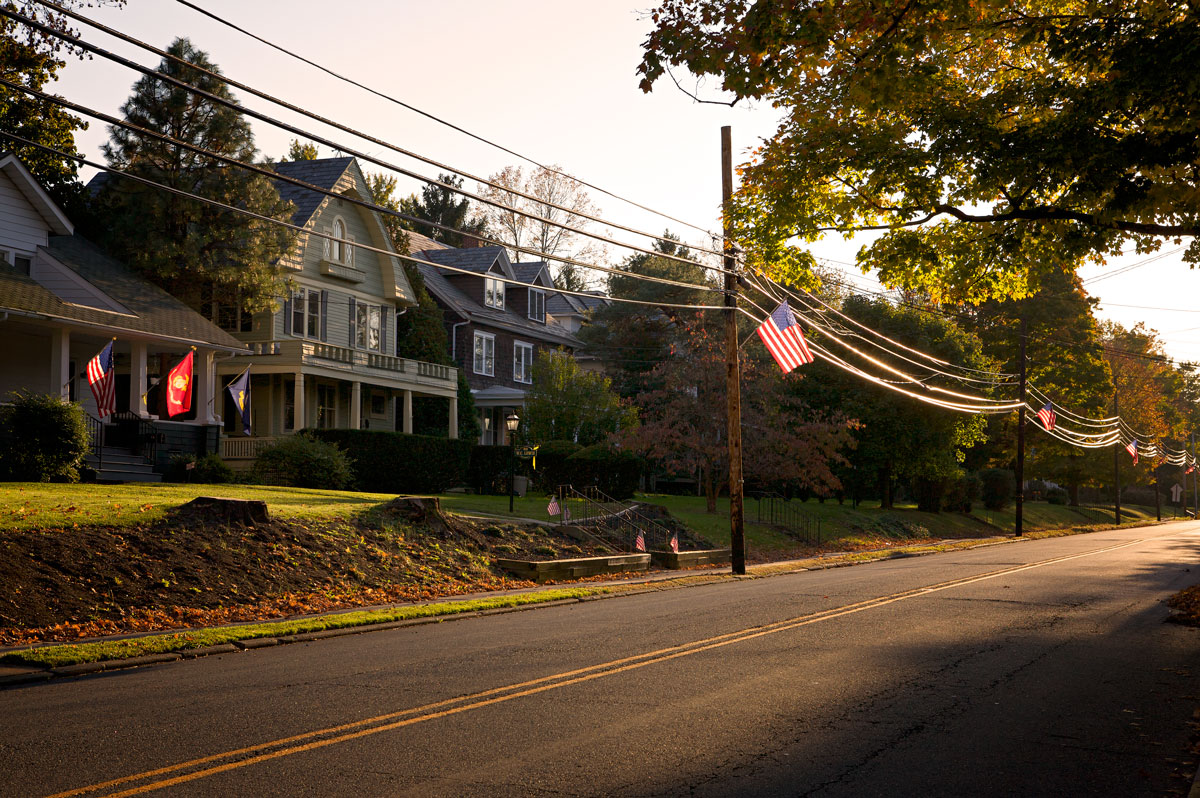
Explore the fascinating stories of 26 great American authors with images of the places that inspired them to write. It’s the perfect gift for book lovers. With over 140 photographs throughout, the images add mood and dimension to the writing – and they are often shockingly close to what the featured authors described in their own words. Lushly illustrated, and beautifully designed, the book is as much of a pleasure to look at as it is to read.
This is a volume for the literary enthusiast, the armchair traveler or the intrepid reader. It is a handsome and beautifully illustrated companion for those who seek to learn more about authors they have read and those who wish to discover new writers.