

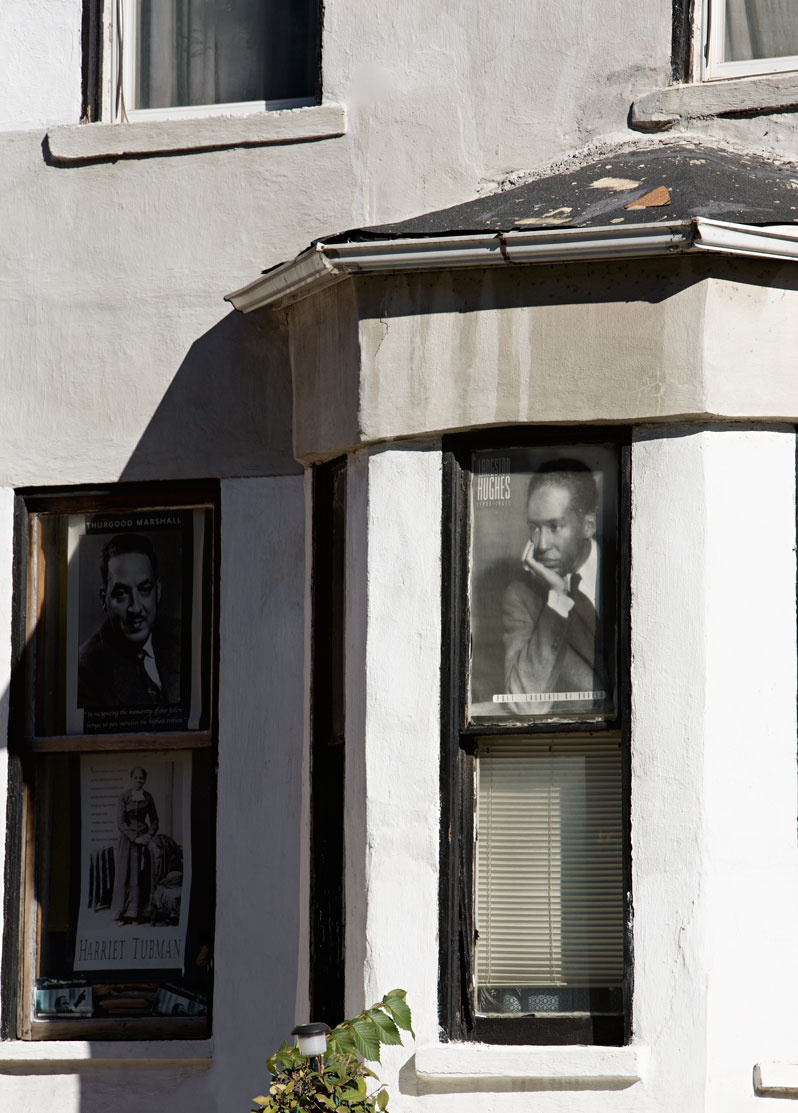


Langston Hughes
(1902-1967)



A Journey Through Literary America
$35.00
Description
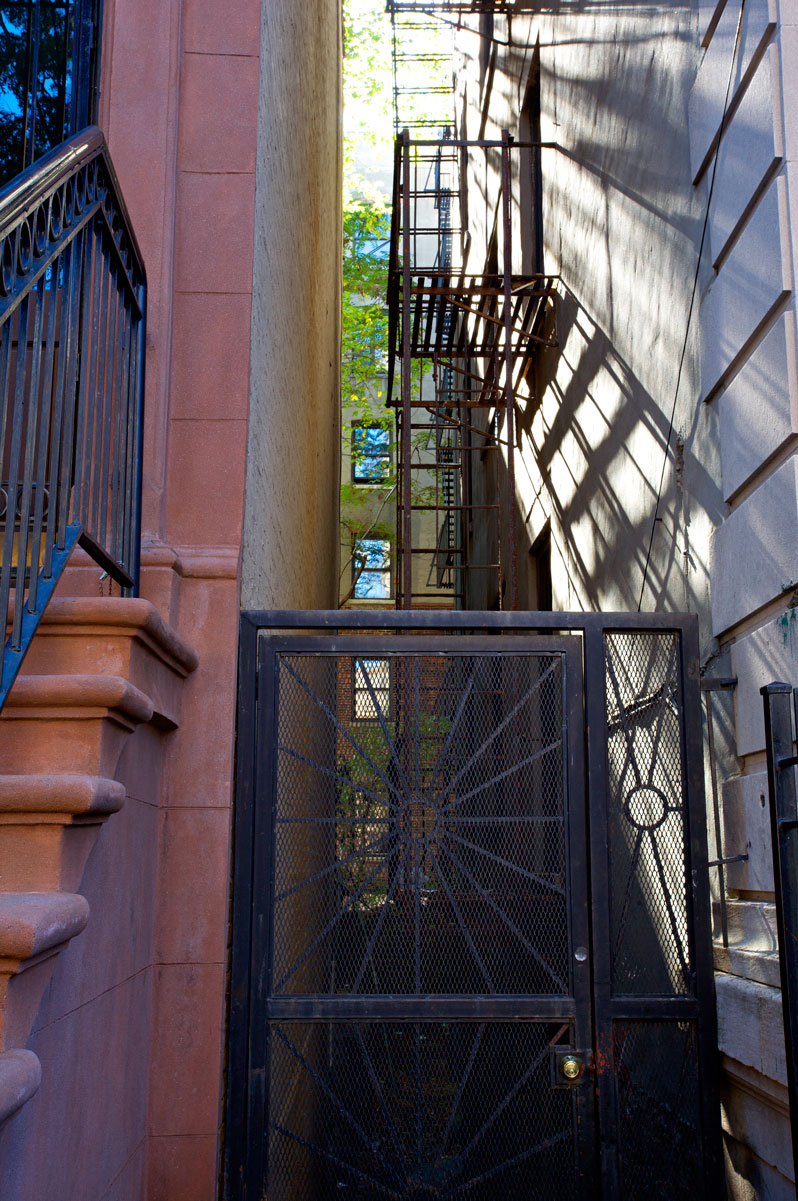
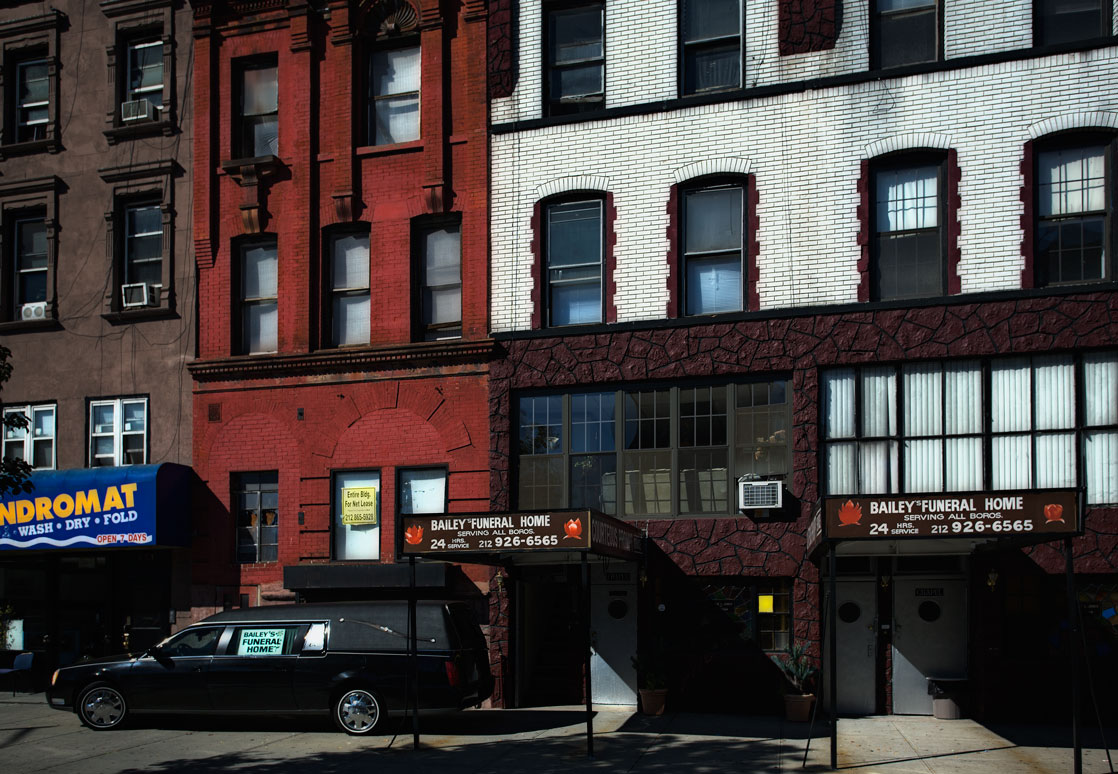
Explore the fascinating stories of 26 great American authors with images of the places that inspired them to write. It’s the perfect gift for book lovers. With over 140 photographs throughout, the images add mood and dimension to the writing – and they are often shockingly close to what the featured authors described in their own words. Lushly illustrated, and beautifully designed, the book is as much of a pleasure to look at as it is to read.
This is a volume for the literary enthusiast, the armchair traveler or the intrepid reader. It is a handsome and beautifully illustrated companion for those who seek to learn more about authors they have read and those who wish to discover new writers.
Related products
Appendix :: Literary Destinations
Sherwood Anderson • Raymond Carver • Willa Cather • James Fenimore Cooper • Rita Dove • Ralph Waldo Emerson • William Faulkner • Richard Ford • Robert Frost • Nathaniel Hawthorne • Ernest Hemingway • Langston Hughes • Washington Irving • Robinson Jeffers • Sinclair Lewis • Herman Melville • Henry Miller • Toni Morrison • Flannery O’Connor • E. Annie Proulx • Philip Roth • John Steinbeck • Wallace Stegner • Henry David Thoreau • John Updike • Thomas Wolfe