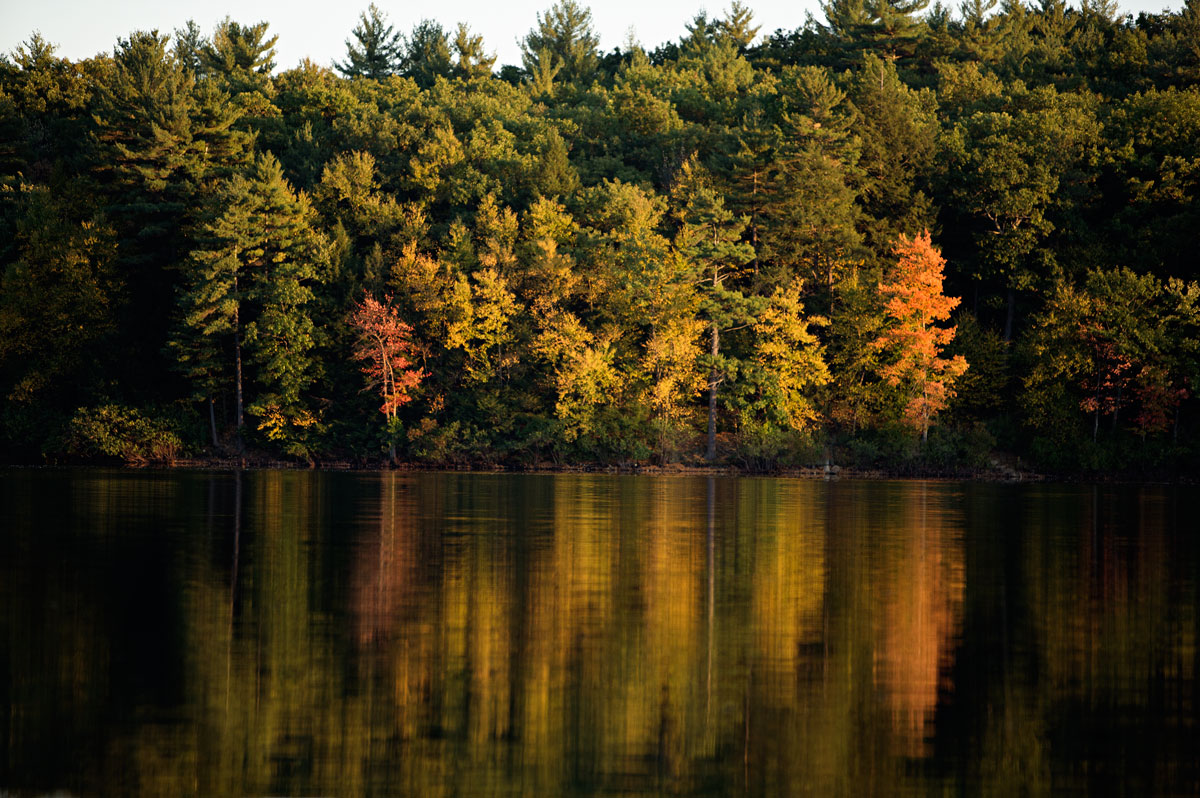
Henry David Thoreau
The Walden Woods Project
44 Baker Farm Rd.
Lincoln, MA 01773-3004
Phone: (781) 259-4700
Website: www.walden.org
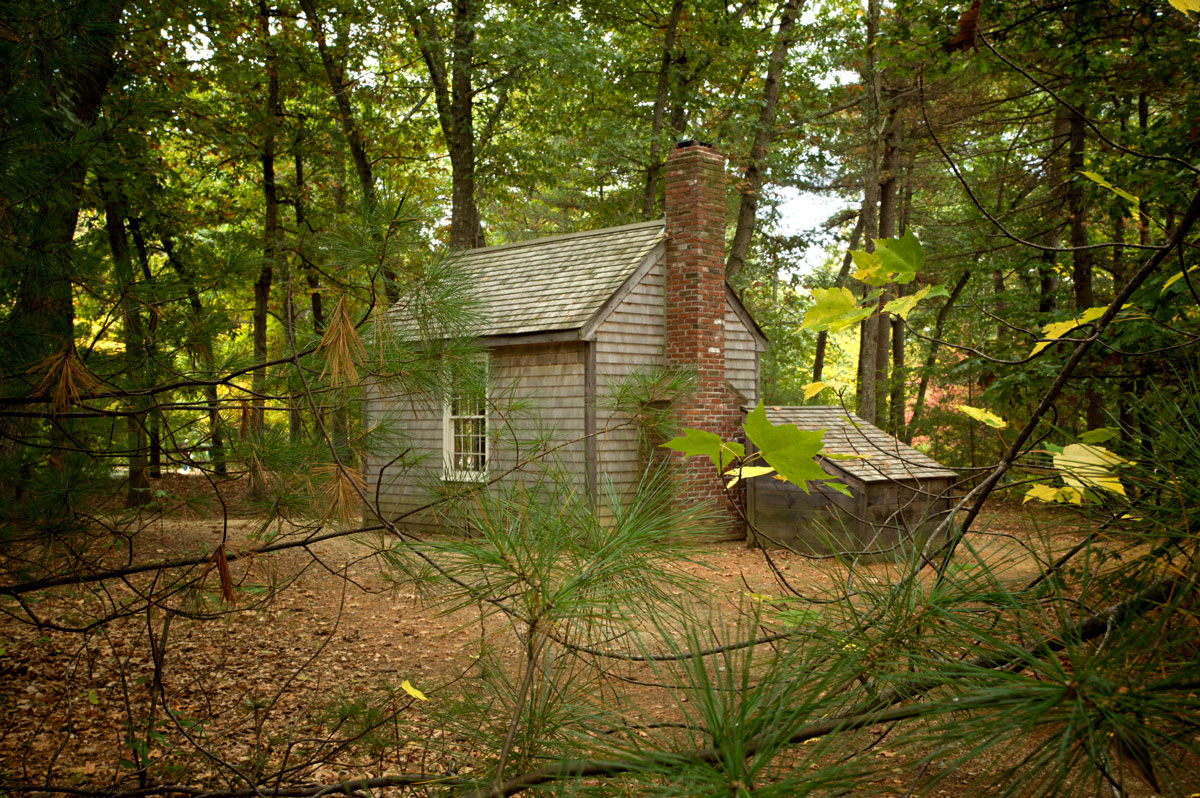
Walden Pond State Reservation
915 Walden St.
Concord, Lincoln
Phone: (978) 369-3254
Website: www.mass.gov
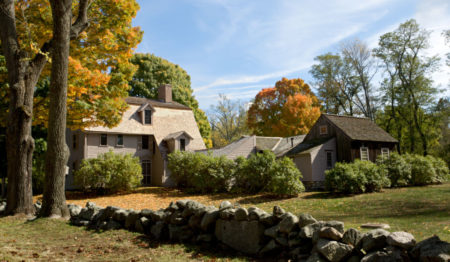
The Old Manse
269 Monument St
Concord, MA 01742
Phone: (978) 369-3909
Website: thetrustees.org
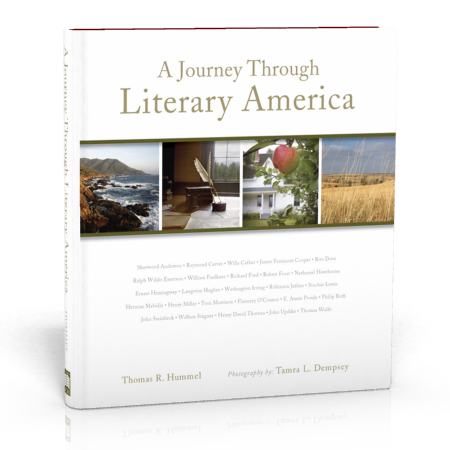
A Journey Through Literary America
$35.00
Description
Explore the fascinating stories of 26 great American authors with images of the places that inspired them to write. It’s the perfect gift for book lovers. With over 140 photographs throughout, the images add mood and dimension to the writing – and they are often shockingly close to what the featured authors described in their own words. Lushly illustrated, and beautifully designed, the book is as much of a pleasure to look at as it is to read.
This is a volume for the literary enthusiast, the armchair traveler or the intrepid reader. It is a handsome and beautifully illustrated companion for those who seek to learn more about authors they have read and those who wish to discover new writers.