The following excerpt is from the E. Annie Proulx entry in A Journey Through Literary America:
She also wrote books, though not the sort that might be nominated for a Pulitzer Prize. Among her works were: Sweet & Hard Cider: Making It, Using It, and Enjoying It, and Plan and Make Your Own Fences and Gates, Walkways, Walls and Drives. Proulx arrived on the literary scene very late in her life. Her first fiction book, Heart Songs and Other Stories, was published in 1988, when she was 53. Postcards, published in 1992, was about a New England farmer who kills his partner, buries her on the family farm, and then takes off across the country. The novel won Proulx the PEN/Faulkner Award, making her the first female recipient. The Shipping News, which takes place in Newfoundland (“I’ve got a thing about cold weather,” she has said), won the Pulitzer Prize in 1994.
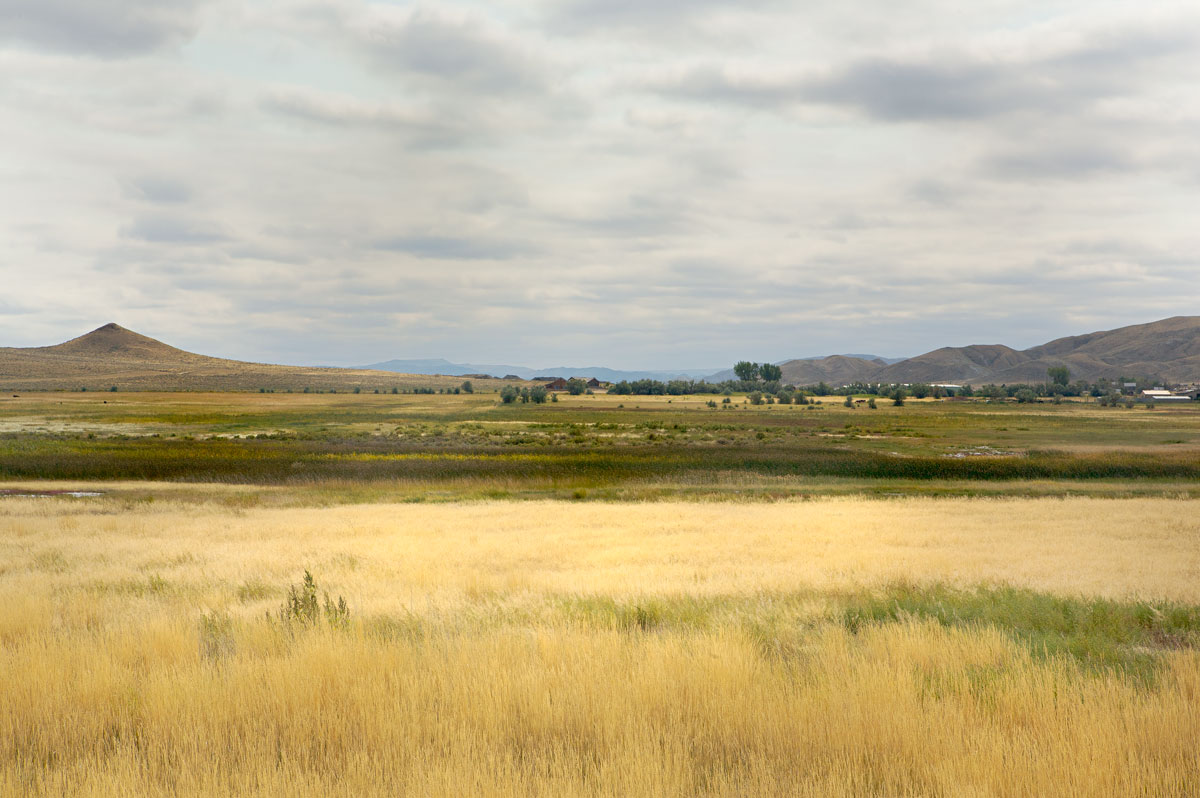
In, after the journalistic world had beaten a path to her remote Vermont door, Proulx moved to Wyoming. While it was changed from the place her trapper ancestor had passed through 170 years before, one thing hadn’t: the long sightliness. As she told Charlie Rose in an interview, “When you can stand at your kitchen sink and look out your window and see a hundred miles down the road…you’re ‘on the beam.’” She says that Wyoming is her writing place. “You go into it and it’s almost as if you were trailing a little cord behind you, plugged into the side of the mountain.”
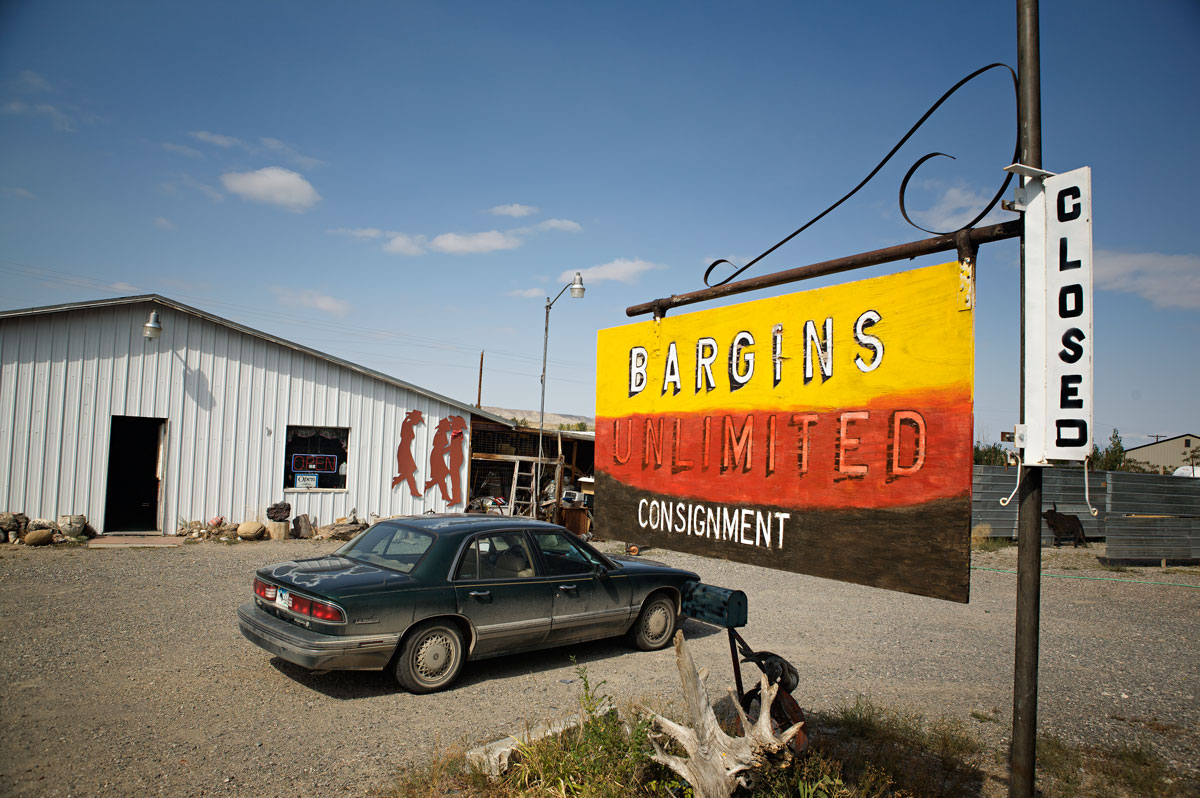
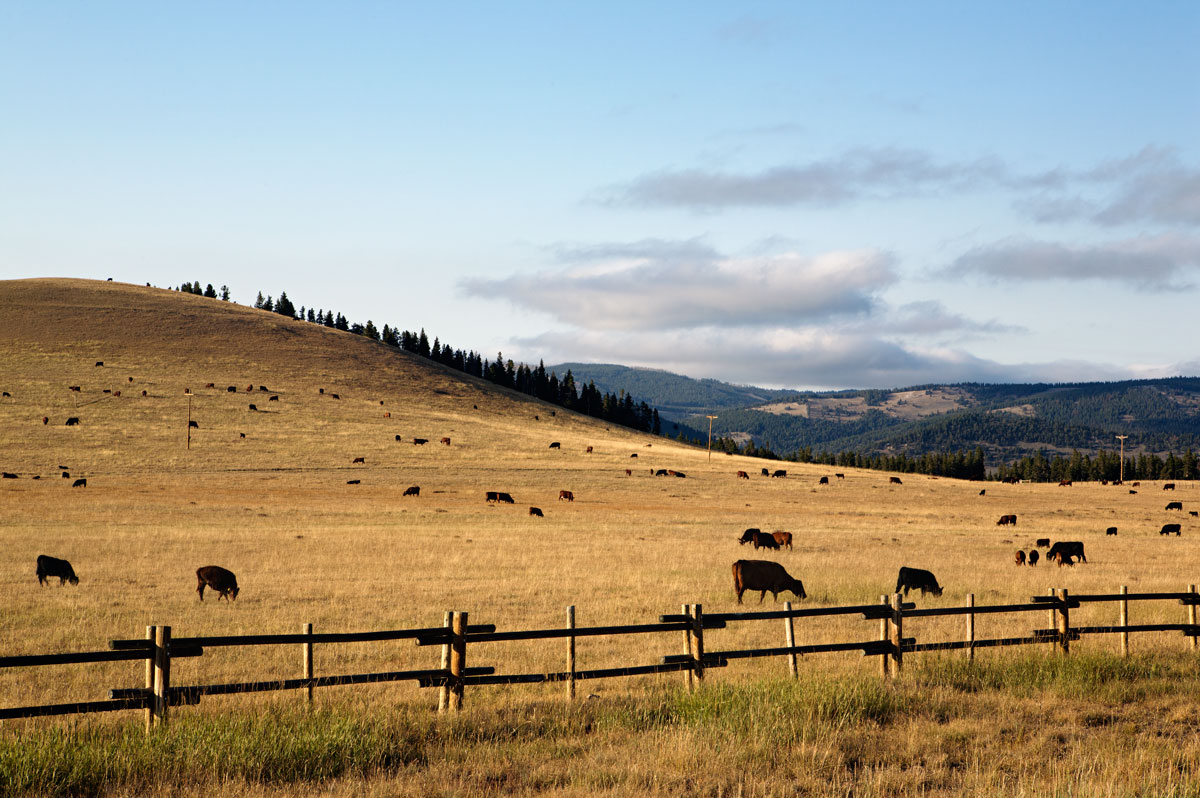
Out of Proulx’s move to Wyoming came a book of short stories entitled Close Range: Wyoming Stories. Through it runs a cast of characters who might generally agree with Daniel Webster that the land is not worth a cent. Culinarily, many are still at the level of opening a tin can into a frying pan, or worse. These Wyoming residents scrabble together a living doing whatever they can do. That said, many have a passion for the lives they lead; there are rodeo riders portrayed in the book who keep doing it, for almost no monetary reward, until their bodies fall apart. Many of the book’s ranchers have worked their acres for generations; families such as the Dunmires in “People in Hell Just Need a Drink of Water.” Despite the fact that they have seen it all—“prairie fire, flood, blizzard, dust storm, injury, sliding beef prices, grasshopper and Mormon cricket plagues, rustlers, scours, bad horses”—the Dunmires find that “the country, its horses and cattle, suited them and if they loved anything that was it…there builds up in men who work livestock in big territory a kind of contempt for those who do not.” Ranching and rodeo’ing are two sorts of business to succeed or fail at in Wyoming. In another story, “Job History”—one of the shortest and most affecting stories in the collection—Proulx lists several others, including hog farming, service station ownership, ranch supply store ownership, truck driving and short order cooking.